Written by Joe Bourland of the Bourland Real Estate Team at eXp Realty, serving buyers and sellers in Peoria and the West Valley.
The most common mistakes Peoria, AZ home sellers make are overpricing, listing before the home is ready, failing to disclose known problems, and focusing on sales price instead of net proceeds. In August 2026, Zillow reported that 64.4% of Peoria homes sold below their final asking price, with a median sale-to-list-price ratio of 98.6%. Arizona sellers must also disclose known material facts about their property, and buyers generally get a 10-day inspection period under the standard Arizona REALTORS® purchase contract.
Selling your home is about more than getting an offer. It's about protecting your equity, avoiding unnecessary expenses, and ultimately walking away with as much money as possible.
I've been helping homeowners throughout Peoria and the West Valley buy and sell real estate for more than two decades. Over those years, I've seen sellers make decisions that cost them thousands of dollars, often without realizing it. The good news? Most of these mistakes are avoidable. Here are seven mistakes I encourage sellers to avoid, especially in today's real estate market.
1. Pricing Your Home Based on What You Want Instead of What Buyers Will Pay
This is probably the biggest mistake I see sellers make. It's understandable. You have an amount you want to walk away with, you've invested money in improvements, and you've probably seen what a neighbor's house sold for.
But here's the reality: Buyers don't care what you need to get out of your home. They care about what they can buy for the money.
According to Zillow, 64.4% of Peoria homes sold below their final asking price in August 2026, with a median sale-to-list-price ratio of 98.6%. That tells us buyers are negotiating, and pricing matters.
Your home isn't competing against what sold six months ago. It's competing for attention against the homes buyers can purchase today. Recent closed sales help establish value, but active listings tell us what choices buyers have right now. An overpriced home can sit on the market, lose momentum, and ultimately require price reductions.
My recommendation? Price your home based on current market conditions, recent comparable sales, property condition, and active competition. Not what you hope someone might pay.
2. Putting Your Home on the Market Before It's Ready
You typically get one opportunity to make a strong first impression. When buyers see your home online, they're comparing it with every other property in their price range.
If your photos are dark, the landscaping is neglected, or obvious repairs haven't been addressed, you're giving buyers reasons to move on to the next listing. And in a market where buyers have choices, that's a problem.
A June 2026 Realtor.com study found that homes selling quickly generally achieved stronger sale-to-list-price results than homes remaining on the market for extended periods.
That doesn't mean you need to spend thousands renovating your home. Sometimes the best improvements are inexpensive: professional cleaning, decluttering, fresh paint where needed, landscaping, and quality photography. Other times, a larger repair might make financial sense.
The question isn't what you can improve. It's what improvements will help you sell the home for the best net return. That's a conversation worth having before the property hits the market.
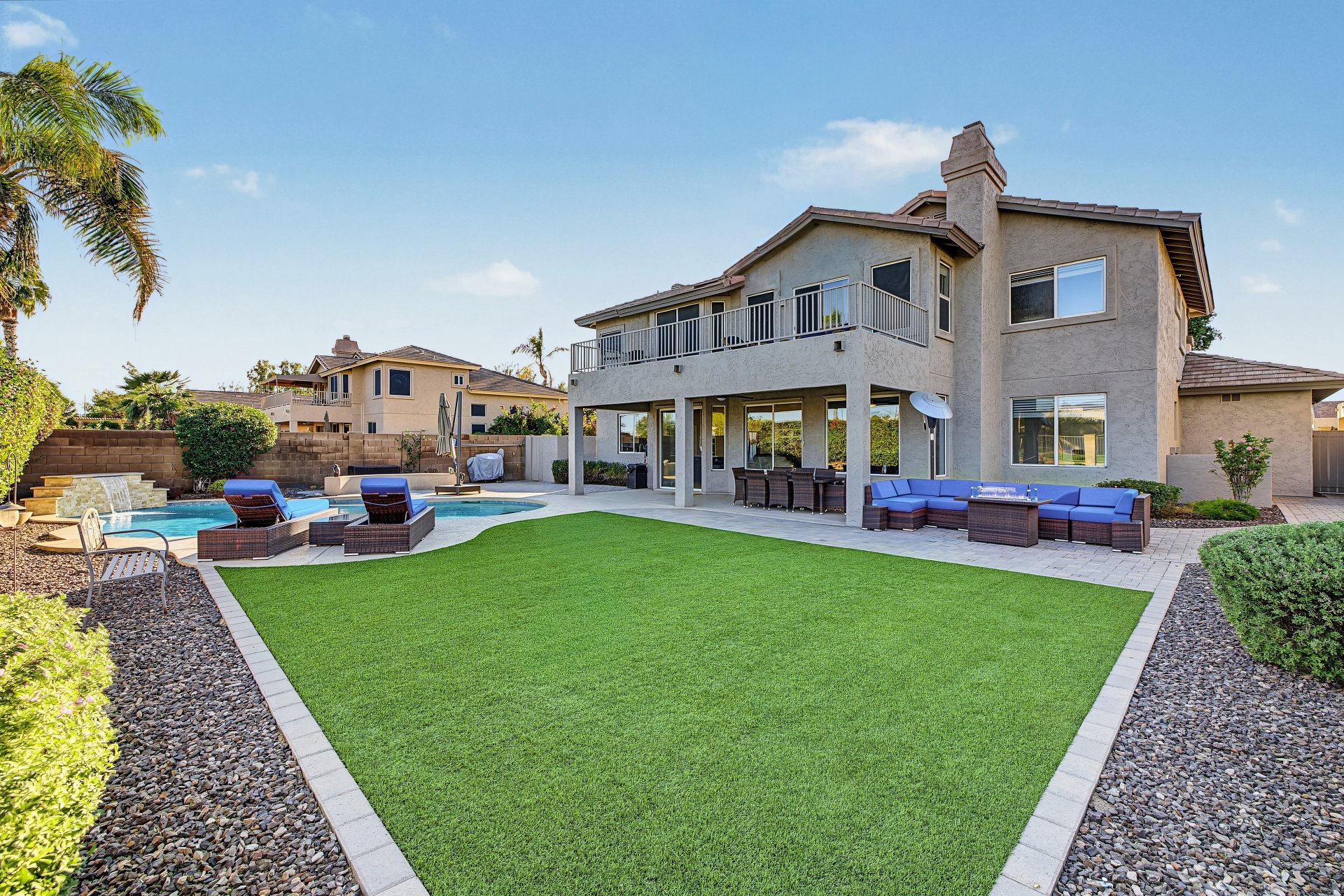
Sometimes the best improvements are inexpensive: professional cleaning, decluttering, fresh paint where needed, landscaping, and quality photography.
3. Failing to Disclose Known Problems
Arizona sellers have a legal obligation to disclose known material facts about their property. The Seller's Property Disclosure Statement, commonly called the SPDS, is designed to help sellers provide that information.
Under the February 2026 Arizona REALTORS® Residential Resale Purchase Contract, the completed SPDS is generally due within three calendar days after contract acceptance, unless the parties agree otherwise.
Here's my advice: When in doubt, disclose.
- Had a roof leak that was repaired? Disclose it.
- Experienced previous plumbing problems? Disclose them.
- Know about foundation movement, water intrusion, or an ongoing equipment problem? Disclose what you know.
Trying to hide an issue rarely makes it disappear. Instead, it can create legal problems long after you've sold the home.
Your agent can explain the disclosure process, but the seller is responsible for completing the SPDS accurately and thoroughly. It's much better to address an issue upfront than deal with an angry buyer or a potential lawsuit later.
4. Waiting for the Buyer's Home Inspection to Discover Problems
Under the standard Arizona REALTORS® purchase contract, buyers generally have a 10-day inspection period, unless a different timeframe is negotiated.
During that period, buyers can investigate the property's condition and submit items they disapprove of through the Buyer's Inspection Notice and Seller's Response, commonly called the BINSR. The seller generally has five days to respond. That's not much time when a buyer brings up a major repair issue you weren't expecting.
I don't believe every seller needs to order a full pre-listing inspection. However, I do believe sellers should understand their home's condition before putting it on the market.
If your air conditioner is 20 years old, your roof has questionable areas, or your pool equipment isn't functioning properly, those are things worth investigating. You might decide to repair an issue, adjust the price, or sell the home with the condition disclosed.
The important thing is making that decision before you're under pressure from a buyer. Surprises during escrow can become expensive. Preparation gives you more control.
5. Overlooking HOA Requirements and Closing Costs
Many Peoria neighborhoods, including Vistancia and Sonoran Mountain Ranch, have homeowners associations. If your home is in an HOA, there are documents, disclosures, and potential fees that need to be addressed during the sale.
Arizona law establishes requirements for delivering HOA resale information to buyers. For planned communities with 50 or more properties, the association generally must deliver the required documents within 10 days after receiving the proper written notice. Some communities also have transfer-related fees, working capital contributions, or additional assessments.
And here's something sellers sometimes overlook: Certain neighborhoods may have more than one association.
Before listing, find out exactly which associations govern your property, what the fees are, and whether there are outstanding violations or assessments. You should also understand how your purchase contract allocates HOA-related closing expenses. The fewer surprises you have during escrow, the smoother the transaction is likely to be.
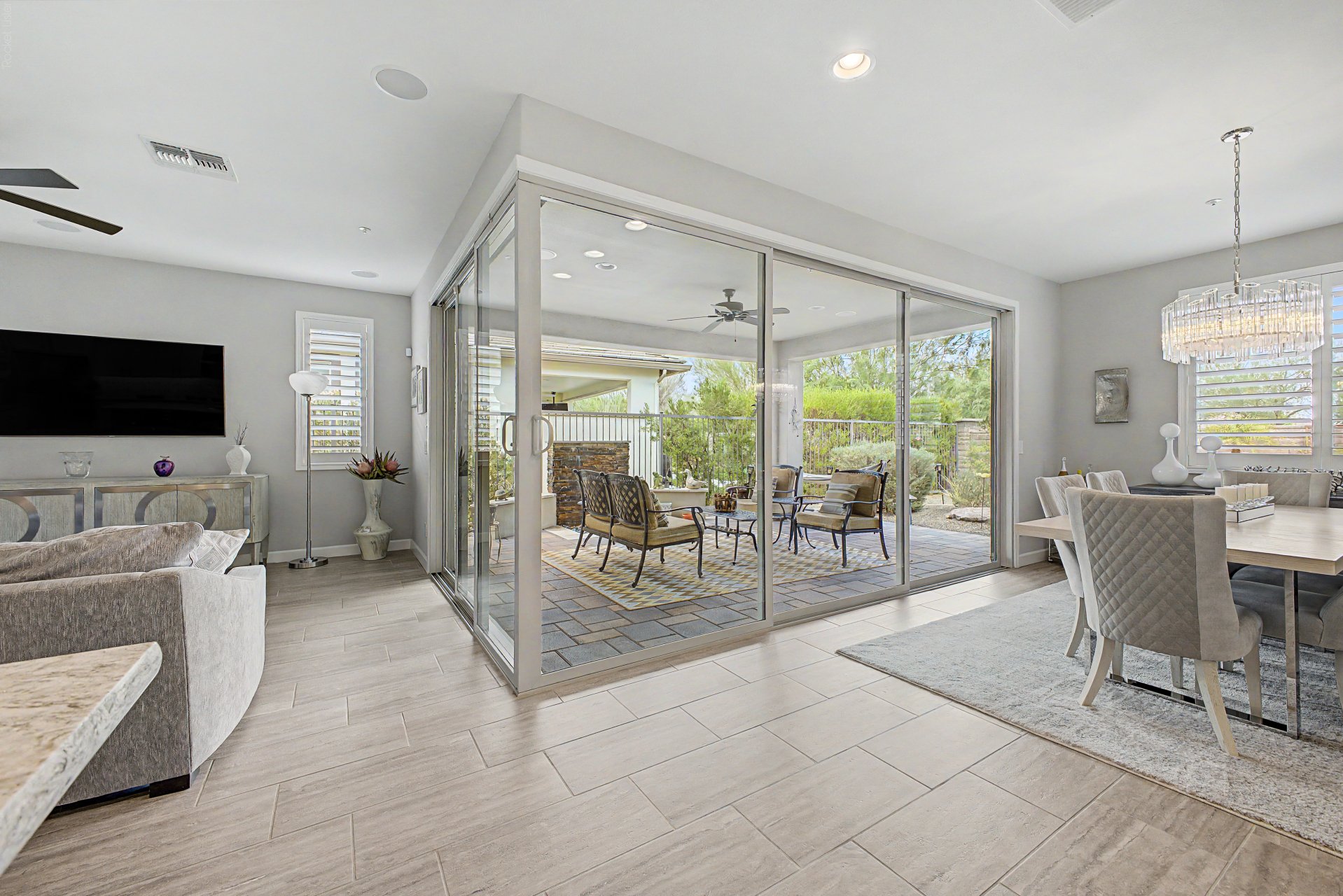
Professional photography can draw significantly more attention than DIY photos of a home
6. Not Understanding How Solar Panels Affect the Sale
Solar panels can create complications when selling a home, particularly when the system is leased or financed. I've seen situations where sellers assume the solar agreement will simply transfer to the buyer, only to discover there are qualification requirements, transfer restrictions, or costs they hadn't considered.
Arizona REALTORS® updated its Solar Addendum in November 2025 to address several issues involving solar leases, loans, and assumptions.
If your home has solar, you should know whether the system is owned outright, leased, or financed. If there's an outstanding agreement, determine what the buyer must do to assume it, whether the agreement can be transferred, and what happens if the buyer doesn't qualify.
Solar company bankruptcies and changes in servicing arrangements can add another layer of complexity. A solar system that works well for the current homeowner doesn't automatically make financial sense for the next buyer.
Gather the paperwork before listing so you understand your obligations and can explain the terms accurately.
7. Focusing on the Sales Price Instead of Your Bottom Line
This is one of the most important lessons I share with sellers. The highest offer isn't necessarily the best offer.
Let's say you receive two offers. One buyer offers $500,000 but asks for $15,000 in concessions. Another offers $490,000 with no concessions. Before considering other expenses, the second offer actually puts $5,000 more toward your proceeds. And that's before we evaluate financing, appraisal risk, inspection terms, closing dates, or other potential costs.
Real estate commissions are also negotiable. Since the August 2024 industry changes, sellers have options regarding buyer-broker compensation, and those decisions can affect their net proceeds. Your agent should prepare an estimated net sheet so you can compare the financial impact of each offer.
A higher purchase price might look impressive, but it's not the number that matters most. What matters is how much money you keep and whether the transaction actually closes.
Frequently Asked Questions About Selling a Home in Peoria
What are the biggest mistakes homeowners make when selling in Peoria, AZ?
The most common mistakes include overpricing, listing before the property is ready, failing to disclose known issues, overlooking repair needs, waiting too long to address HOA or solar requirements, and focusing only on the purchase price rather than net proceeds. Many of these problems can be avoided with a good pricing strategy and preparation before listing.
Do I have to disclose problems with my house when selling in Arizona?
Yes. Arizona sellers are legally required to disclose known material facts about their property. The Seller's Property Disclosure Statement is the standard form commonly used to provide this information. Even if the buyer and seller agree not to use the SPDS, the seller's obligation to disclose known material facts remains.
How long does a buyer have to inspect a home in Arizona?
Under the standard Arizona REALTORS® Residential Resale Purchase Contract, the buyer generally has 10 days after contract acceptance to complete inspections, unless otherwise negotiated. If the buyer requests corrections or other remedies through the BINSR, the seller typically has five days to respond. The buyer's subsequent cancellation rights depend on the seller's response and the contract terms.
Should I price my Peoria home higher to leave room for negotiation?
Not necessarily. Pricing above market value can reduce buyer interest and cause your property to sit longer than necessary. In today's market, buyers have access to comparable sales and competing listings. I recommend establishing a price that reflects the home's condition, location, recent sales, and current competition rather than automatically adding extra money to create negotiating room.
Do I have to provide HOA documents when selling a home in Peoria?
If your property is part of a planned community with an HOA, Arizona law generally requires certain resale disclosures to be provided to the buyer. Who is responsible for delivering those documents depends in part on the size of the association. It's important to notify the association promptly after contract acceptance and confirm any fees, outstanding assessments, or violations that could affect closing.
Final Thoughts
Selling a home doesn't have to be complicated, but poor decisions can become expensive. You can't control interest rates, the economy, or what other sellers put their homes on the market for.
But you can control how your home is priced, how it's presented, what you disclose, and how you evaluate the offers you receive. And those decisions can make a significant difference in your bottom line.
I've always believed that sellers deserve more than someone who puts a sign in the yard and waits for the phone to ring. They deserve information, a strategy, and someone who will tell them what they need to hear, even when it isn't necessarily what they want to hear.
If you're considering selling a home in Peoria or anywhere in the West Valley, let's look at the current competition, what buyers are actually paying, and what it will take to put you in the strongest possible position. The goal isn't simply to sell your home. It's to sell it with the best possible outcome for you.
Wondering what your Peoria home could sell for in today's market? Request a free home valuation or call Joe Bourland and the Bourland Real Estate Team at (623) 322-8588. We'll walk you through pricing from closed sales in your neighborhood and a plan for getting ready before you list.
Curious how your neighborhood compares with the rest of Peoria? Read our full Peoria, AZ living guide for a side-by-side look at schools, prices and lifestyle across the West Valley.
Market statistics reflect the reporting periods identified and are subject to change. Contract deadlines, disclosure requirements, and transaction costs depend on the documents signed and the property's circumstances.
Joe Bourland
The Bourland Real Estate Team | Brokered by eXp Realty
JoeArizona.com
623-322-8588